May 25, 2026
The True Cost of Cheap Outdoor Furniture in India: A 5-Year Breakdown
Cheap outdoor furniture costs more long-term than premium. A real 5-year cost breakdown across four budget tiers — including replacement, maintenance, monsoon damage, and resale value.
Quick answer
Over five years, a ₹8,000 plastic outdoor furniture set bought three times costs ₹24,000 in purchase alone — plus replacement hassle, monsoon damage, disposal costs, and zero resale value. A ₹50,000 mid-tier set bought once costs ₹50,000 and retains 20-30% resale value at year five. Factor in time spent re-shopping, the environmental cost of disposal, and the aesthetic wear of cheap pieces visibly degrading each season, and the true cost favours quality by 25-40% over a five-year horizon. The phrase "you get what you pay for" understates the gap in outdoor furniture specifically.
Why This Math Matters More Than Most Buyers Realise
Most outdoor furniture buyers in India compare prices at the point of purchase. The ₹8,000 plastic set looks cheaper than the ₹50,000 teak one. Game over.
But outdoor furniture isn't a one-time decision. It's a category where the second and third purchases — the ones cheap buyers inevitably make — get systematically ignored from the initial cost comparison.
This guide walks through the actual five-year math. The numbers come from typical Indian buyer patterns and market prices. The conclusion will look obvious in hindsight but isn't obvious at the showroom.
The Hidden Costs People Don't Factor In
Before the math, here's what cheap outdoor furniture actually costs beyond the sticker price.
Replacement frequency
The single largest hidden cost. Cheap outdoor furniture in Indian climates typically fails in:
- Plastic resin chairs: 18-30 months (UV embrittlement, cracking)
- Cheap powder-coated aluminium: 24-36 months (coating flakes, frame rust)
- Decorative wicker without HDPE rating: 18-24 months (weave breaks down, frame warps)
- Low-grade wood (untreated, softwoods): 24-36 months (cracking, warping, joint failure)
The buyer who pays ₹8,000 for a 4-seater plastic set is statistically buying it 2-3 more times over five years.
Monsoon damage repair
Cheap furniture often needs repairs after each monsoon:
- Cushion replacement (₹2,000-4,000 per chair)
- Frame rust treatment (₹500-1,500 per piece)
- Joint tightening, screw replacement (₹200-500 per piece)
- Refinishing or repainting (₹1,500-3,000 per piece)
Premium furniture, properly chosen for climate, typically needs ₹0-500 in monsoon-related repair per year.
Cushion replacement (independent of frame)
Outdoor cushions on cheap furniture often need replacing every 1-2 years:
- Surface-printed polyester fades in one summer
- Foam cushions retain moisture and grow mildew
- Stitching deteriorates in UV
Replacement cost: ₹1,500-3,500 per chair cushion. For a 6-seater set, this is ₹9,000-21,000 in cushion replacement over five years if you bought cheap originally.
Quality solution-dyed acrylic cushions (Sunbrella-grade) last 7-10 years.
Disposal and removal costs
In urban India, getting rid of old furniture isn't free:
- Calling a kabadi (scrap dealer) for plastic furniture: usually pays you ₹100-300 for the lot (basically nothing for what you spent)
- Disposal of broken aluminium: ₹500-1,000 in scrap value
- Furniture clearance services: ₹1,500-3,000 per disposal trip
Multiply by 2-3 replacement cycles. Disposal adds ₹3,000-9,000 to the five-year cost of cheap furniture.
Aesthetic deterioration cost
Harder to quantify but real. Cheap outdoor furniture starts looking visibly worn within months:
- Faded cushions affect every photo of your home
- Rust streaks on tiles where furniture sits
- Wobbling chairs you stop trusting guests on
- General downgrade of your outdoor space
The cost isn't on a receipt. It's the cost of an outdoor space you stop using and entertaining in. For many Indian homes, the outdoor space was bought for entertaining; cheap furniture undermines that purpose.
Time spent re-shopping
If you bought a 4-seater set 2-3 times over five years, that's 2-3 weekend trips to showrooms, 2-3 delivery wait days, 2-3 assembly sessions, 2-3 disposal arrangements. Conservative estimate: 6-12 hours of life spent re-buying furniture you'd have only bought once.
The 5-Year Math Across Four Budget Tiers
Let's run actual numbers on a 6-person outdoor dining set, the most common Indian outdoor furniture purchase, across four budget tiers.
Tier 1: ₹12,000 plastic resin set
| Year | Purchase | Repairs | Cushions | Disposal | Running total |
|---|---|---|---|---|---|
| 1 | ₹12,000 | ₹0 | ₹0 | ₹0 | ₹12,000 |
| 2 | ₹0 | ₹2,000 | ₹3,000 | ₹0 | ₹17,000 |
| 3 | ₹12,000 (replace) | ₹0 | ₹0 | ₹1,500 | ₹30,500 |
| 4 | ₹0 | ₹2,000 | ₹3,000 | ₹0 | ₹35,500 |
| 5 | ₹12,000 (replace) | ₹0 | ₹0 | ₹1,500 | ₹49,000 |
5-year total: ₹49,000 Resale value at year 5: ₹0 (plastic has no resale market) Net cost: ₹49,000
Tier 2: ₹35,000 entry aluminium set
| Year | Purchase | Repairs | Cushions | Disposal | Running total |
|---|---|---|---|---|---|
| 1 | ₹35,000 | ₹0 | ₹0 | ₹0 | ₹35,000 |
| 2 | ₹0 | ₹500 | ₹0 | ₹0 | ₹35,500 |
| 3 | ₹0 | ₹2,000 | ₹6,000 | ₹0 | ₹43,500 |
| 4 | ₹35,000 (replace) | ₹0 | ₹0 | ₹2,000 | ₹80,500 |
| 5 | ₹0 | ₹500 | ₹0 | ₹0 | ₹81,000 |
5-year total: ₹81,000 Resale value at year 5: ~₹3,000 (limited secondhand market) Net cost: ₹78,000
Tier 3: ₹65,000 mid-tier set (quality aluminium + HDPE wicker)
| Year | Purchase | Repairs | Cushions | Disposal | Running total |
|---|---|---|---|---|---|
| 1 | ₹65,000 | ₹0 | ₹0 | ₹0 | ₹65,000 |
| 2 | ₹0 | ₹0 | ₹0 | ₹0 | ₹65,000 |
| 3 | ₹0 | ₹500 | ₹0 | ₹0 | ₹65,500 |
| 4 | ₹0 | ₹0 | ₹4,000 | ₹0 | ₹69,500 |
| 5 | ₹0 | ₹1,000 | ₹0 | ₹0 | ₹70,500 |
5-year total: ₹70,500 Resale value at year 5: ~₹15,000 (active secondhand market) Net cost: ₹55,500
Tier 4: ₹1,20,000 premium set (Grade A teak)
| Year | Purchase | Repairs | Cushions | Disposal | Running total |
|---|---|---|---|---|---|
| 1 | ₹1,20,000 | ₹0 | ₹0 | ₹0 | ₹1,20,000 |
| 2 | ₹0 | ₹1,500 (annual oiling) | ₹0 | ₹0 | ₹1,21,500 |
| 3 | ₹0 | ₹1,500 | ₹0 | ₹0 | ₹1,23,000 |
| 4 | ₹0 | ₹1,500 | ₹6,000 | ₹0 | ₹1,30,500 |
| 5 | ₹0 | ₹1,500 | ₹0 | ₹0 | ₹1,32,000 |
5-year total: ₹1,32,000 Resale value at year 5: ~₹50,000 (teak holds value) Net cost: ₹82,000
The Comparative Summary
| Tier | 5-Year Spending | Resale Value | True 5-Year Cost | Cost per Year |
|---|---|---|---|---|
| ₹12K plastic | ₹49,000 | ₹0 | ₹49,000 | ₹9,800/year |
| ₹35K entry aluminium | ₹81,000 | ₹3,000 | ₹78,000 | ₹15,600/year |
| ₹65K mid-tier | ₹70,500 | ₹15,000 | ₹55,500 | ₹11,100/year |
| ₹1,20K premium teak | ₹1,32,000 | ₹50,000 | ₹82,000 | ₹16,400/year |
Read these numbers carefully. Mid-tier (₹65K initial spend) ends up with the lowest true five-year cost — lower than the cheap plastic option once you factor in replacements and disposal. The mid-tier set also looked good for all five years, didn't need replacement, and has resale value at the end.
The "cheap" plastic option only looks cheap until year three. By year five, it has cost almost as much as the premium teak option — but with three rounds of replacement hassle, multiple visible wear cycles, and nothing left to show for it.
What Each Tier Looks Like at Year 1, 3, and 5
The math is only half the story. Here's what each tier looks like over time.
₹12,000 plastic resin (4-6 seater)
- Year 1: Looks acceptable. Bright colours. Functional.
- Year 3: Faded, brittle, visibly worn. Discoloured cushions if any. Possible cracks in chair backs.
- Year 5: Already replaced once. Second set is now in year 2-3 condition. Cumulative time wasted on disposal and re-shopping.
₹35,000 entry aluminium
- Year 1: Looks polished. Cushions are vibrant.
- Year 3: Powder coating starting to chalk. Cushions noticeably faded. Frame still solid.
- Year 5: One replacement cycle done. Or hanging on with visible degradation if not replaced.
₹65,000 mid-tier (quality aluminium/HDPE)
- Year 1: Looks great. Premium feel.
- Year 3: Holding up well. Minor cushion replacement needed.
- Year 5: Still presentable. Some signs of age but no major issues. Could last another 3-5 years easily.
₹1,20,000 premium teak
- Year 1: Stunning. The kind of furniture people compliment.
- Year 3: If oiled, looks identical to year 1. If left untreated, has developed a silver-grey patina that many love.
- Year 5: Possibly the most beautiful it has ever looked. Has years of life ahead.
The Resale Market for Outdoor Furniture in India
Indian buyers often underestimate the secondhand market for quality outdoor furniture. A few realities:
- Plastic outdoor furniture has zero resale value. No one buys used plastic chairs.
- Cheap aluminium has minimal resale value. Scrap value at best.
- Mid-tier branded outdoor furniture has a modest market. OLX, Quikr, and dedicated furniture resale sites move these pieces at 25-35% of original purchase price after 3-5 years.
- Premium teak holds value remarkably well. Quality teak furniture in good condition resells at 40-50% of original price even after 5-7 years.
- Designer and luxury pieces sometimes appreciate as vintage or designer collectibles, particularly handcrafted Indian-origin pieces.
This resale value isn't theoretical. It's the difference between an asset that depreciates entirely and one that retains real worth.
Why Cheap Outdoor Furniture Is Particularly Cheap in India
Outdoor furniture in Indian climates faces conditions that European or American outdoor markets don't:
- 40-47°C summer temperatures with extreme UV
- Monsoons that deliver 300-500 cm of rainfall annually in many regions
- Pre-monsoon dust storms in Delhi NCR and parts of Rajasthan
- Saline coastal air in Mumbai, Chennai, Goa
- Freezing fog in North Indian winters
Cheap outdoor furniture from international markets is often rated for milder conditions. In India, it ages 2-3x faster than the advertised lifespan. This makes the "value tier" gap between cheap and quality especially wide in our market.
Quality outdoor furniture sold in India is increasingly engineered specifically for Indian conditions — and the gap between Indian-engineered quality pieces and globally-imported cheap pieces keeps widening.
How to Spot Outdoor Furniture That Will Actually Last
A few specific tells to look for at the showroom:
- Powder coating thickness: Quality powder-coated aluminium has 60+ microns of coating. Ask the seller directly; if they don't know, walk away.
- Frame thickness: Quality aluminium frames are 1.5mm+ wall thickness. Cheap pieces are 0.8-1.0mm — flexes under load.
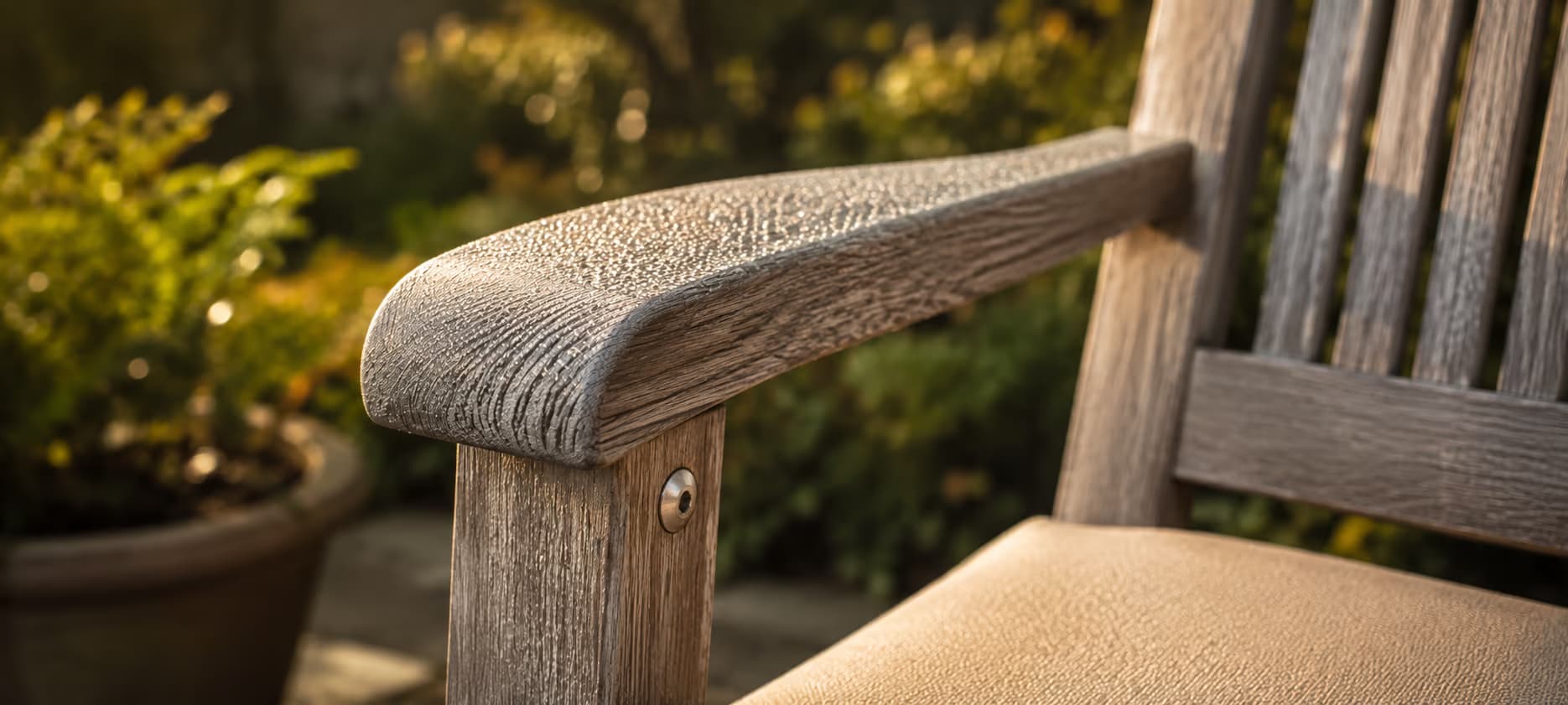
- Hardware visibility: Look at the screws and fasteners. Stainless steel hardware (not painted or zinc-plated) means quality. Painted hardware rusts within a year.
- Joint construction: Welded aluminium joints (smooth, no visible seam) outlast riveted or screwed joints. For wood, mortise-and-tenon joinery outlasts butt joints and glue.
- Cushion fabric specification: Ask if the cushion fabric is solution-dyed acrylic. If the answer is vague, the cushions are surface-printed polyester and will fade in one summer.
- Warranty terms: A 3+ year warranty on the frame is the minimum for quality. Cheap furniture typically has 6-month warranties or none at all.
When Buying Cheap Actually Makes Sense
This guide isn't an argument that everyone needs to buy premium. There are situations where cheap outdoor furniture is the right call:
- Renters who move every 1-2 years — disposal is built into the cycle, so longevity matters less
- Temporary setups — a one-summer balcony bridge before a real purchase
- Secondary outdoor spaces rarely used (a small terrace that's mostly for laundry)
- Construction sites or builder showrooms where furniture is decorative for sales
- Genuinely tight budget situations where ₹12,000 is doable and ₹65,000 simply isn't
If any of these describes you, cheap is the rational choice. For everyone else — homeowners, long-term residents, families who actually use their outdoor space — the five-year math favours mid-tier or above almost every time.
Keep reading: Put this into practice with our outdoor dining set buying guide, avoid the 7 most common buying regrets, and for North India read the Delhi NCR outdoor furniture guide. See what lasts in our outdoor furniture collections and product range.
Final Thought
The hardest thing about outdoor furniture decisions in India is that the cheap option looks cheap. It feels obviously like the budget-friendly choice. But the five-year math says it isn't.
Mid-tier outdoor furniture — the range most Indian buyers skip past as "expensive" — usually ends up costing less per year than the supposedly cheap option, looks better the entire time, and leaves you with an actual asset at the end.
The next time you're comparing a ₹12,000 set to a ₹65,000 one, divide both by 60 months and add a realistic replacement schedule. The math is rarely close.
Planning a long-term outdoor furniture purchase? Get a free 15-minute consultation with our team. We help Indian homeowners think through total cost of ownership — not just sticker price — when investing in outdoor furniture. Talk to us →
Frequently Asked Questions
The five-year math says mid-tier outdoor furniture (₹40,000-80,000) ends up cheaper per year of use than cheap plastic furniture (₹10,000-20,000) once replacement, repair, cushion, and disposal costs are added. Premium teak (₹1,00,000+) costs slightly more per year but lasts 10-15 years with resale value, making it the best long-term value for buyers staying in the same home.
Plastic resin furniture typically lasts 18-30 months in Indian climates. Cheap powder-coated aluminium lasts 24-36 months. Decorative wicker without HDPE rating lasts 18-24 months. This is why buyers of cheap outdoor furniture replace it 2-3 times in a five-year window.
Quality outdoor furniture has a real secondhand market in India. Mid-tier branded sets resell at 25-35% of original price after 3-5 years on platforms like OLX and Quikr. Premium teak retains 40-50% of original value. Cheap plastic furniture has essentially zero resale value.
The entry point for furniture that genuinely lasts 5+ years in Indian climate is around ₹40,000-50,000 for a 4-6 seater set. Below this, materials and construction are rarely engineered for full Indian climate exposure. This is the "mid-tier" range that ends up cheapest in five-year math.
The math says no. Three rounds of ₹12,000 plastic furniture costs ₹36,000 in purchase plus disposal and repair — almost as much as a quality ₹40,000 set that lasts the full five years. Add the hassle of repeated buying and disposal, and cheap-replacement is the worse choice in every dimension except month-one cash flow.
Quality teak outdoor furniture, properly cared for, lasts 15-25 years in Indian climates. Marine-grade aluminium with proper powder coating lasts 12-18 years. Premium HDPE wicker over aluminium frames lasts 10-15 years. These aren't theoretical numbers — they're what well-maintained pieces from established brands actually deliver.