December 22, 2025
The Complete Guide to Outdoor Furniture Maintenance and Care
Don't let weather ruin your outdoor furniture. Master the maintenance routines that protect your investment from rust, mildew, fading & weather damage.
Investing in quality outdoor furniture is just the first step in creating your perfect outdoor oasis. Proper maintenance and care ensure your furniture retains its beauty and functionality for many seasons to come. With the right approach to cleaning, protection, and seasonal care, your outdoor pieces can withstand the elements while looking as inviting as the day you brought them home.
Understanding Material-Specific Care
Different materials require unique care approaches.
Natural Wood Furniture
Natural wood furniture, particularly teak and eucalyptus, benefits from periodic cleaning with mild soap and water. For stubborn dirt, a soft-bristle brush helps clean grain crevices without damaging the wood surface. If you prefer maintaining the wood's original color, apply teak oil or wood sealer annually. However, many homeowners embrace the natural weathering process that creates a distinguished silver-gray patina.
Aluminum Furniture
Aluminum furniture requires minimal maintenance but deserves attention to maintain its appearance. Wash aluminum pieces with mild detergent and water, then rinse thoroughly. Address any scratches promptly with touch-up paint designed for outdoor metal furniture. This prevents moisture from reaching the bare metal and potentially causing oxidation. For powder-coated aluminum, avoid abrasive cleaners that might scratch the protective finish.
Wicker and Rattan Furniture
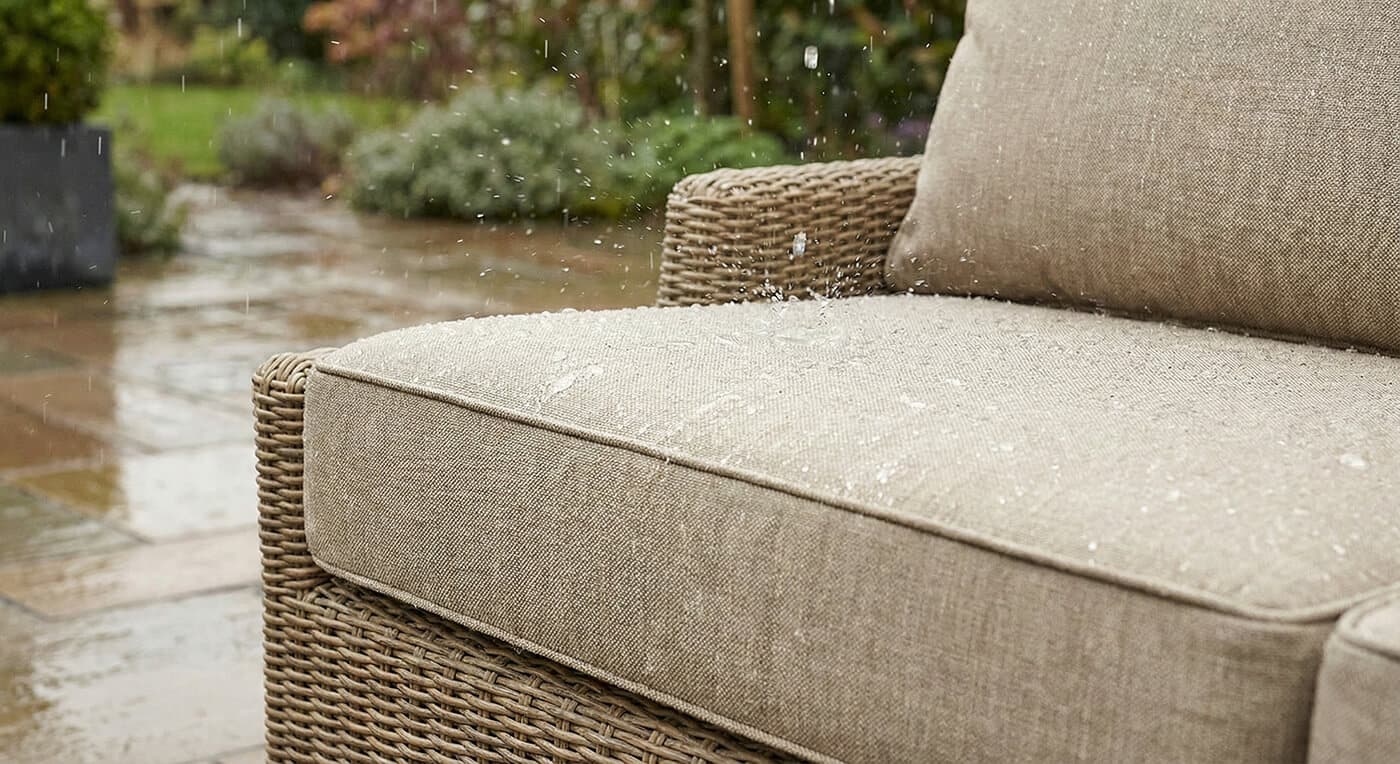
Wicker and rattan furniture, whether natural or synthetic, accumulates dust and debris in its woven texture. Use a vacuum with a brush attachment to remove loose dirt, then wash with a solution of mild soap and warm water. A soft brush helps work the cleaning solution into the weave. Natural wicker benefits from occasional application of furniture wax or oil to prevent drying and cracking. Synthetic wicker typically requires only cleaning to maintain its appearance.
Wrought Iron Furniture
Wrought iron furniture needs protection from rust and corrosion. Inspect pieces regularly for chips in the paint or powder coating, as these expose the metal to moisture. Touch up any damage immediately with rust-inhibiting primer and matching paint. Clean wrought iron with soapy water and apply a coat of car wax annually to create an additional protective barrier against moisture.
Cushion and Fabric Care
Outdoor cushions and fabric elements require regular attention to prevent mildew, fading, and deterioration. Even solution-dyed acrylic fabrics benefit from routine cleaning. Brush off loose dirt regularly and spot-clean spills immediately to prevent staining.
For deeper cleaning, remove cushion covers if possible and wash according to manufacturer instructions. Many outdoor fabrics can be machine washed in cold water with mild detergent.
For cushions with non-removable covers, create a cleaning solution of mild detergent and water. Work the solution into the fabric with a soft brush, paying special attention to soiled areas. Rinse thoroughly with a hose and allow cushions to air dry completely before replacing them on furniture. Never store damp cushions, as this creates an ideal environment for mildew growth.
Consider applying a fabric protector spray to cushions and umbrellas after cleaning. These products create an additional barrier against water, stains, and UV damage. Reapply fabric protector periodically, especially after deep cleaning, to maintain optimal protection.
Seasonal Maintenance Routines
Spring Preparation
Spring preparation involves thorough cleaning after months of winter weather or storage. Inspect all furniture pieces for damage, loose hardware, or needed repairs. Tighten bolts and screws, replace missing hardware, and address any structural issues before regular use begins. This is an ideal time to apply protective treatments to wood furniture and touch up paint on metal pieces.
Summer Upkeep
Throughout the summer season, establish a regular cleaning routine. Wipe down furniture weekly to prevent dirt buildup and immediately clean any spills or bird droppings, which can be acidic and damage finishes. After entertaining, clean furniture promptly to prevent food and beverage stains from setting.
Fall Maintenance
Fall maintenance focuses on preparation for winter storage or protection. Clean all pieces thoroughly, ensuring they are completely dry before covering or storing. Apply protective treatments to wood furniture and check that all paint and finishes are intact on metal pieces. Tighten hardware that may have loosened during the season's use.
Storage and Protection Strategies
While quality outdoor furniture is designed to withstand weather exposure, proper storage or covering extends its lifespan significantly. If you have storage space, bringing furniture indoors during harsh winter months or severe weather provides ultimate protection. Store furniture in a dry, well-ventilated area to prevent moisture accumulation and mildew growth.
When indoor storage is not feasible, invest in quality furniture covers designed specifically for outdoor use. Look for covers made from breathable, waterproof materials that prevent moisture buildup while protecting against rain, snow, and UV exposure. Ensure covers fit properly and secure them to prevent wind damage.
Elevate furniture slightly off the ground using furniture risers or blocks to prevent water pooling and promote air circulation. For larger pieces or built-in furniture elements that cannot be covered individually, consider a seasonal patio shelter or furniture storage box for cushions and accessories. Remove and store cushions during extended periods of non-use to prevent unnecessary weather exposure.
Addressing Common Issues
Mildew and Mold
Mildew and mold appear as dark spots on cushions, furniture frames, or in wicker weaving. Address these issues promptly by cleaning affected areas with a solution of one part white vinegar to four parts water, or use a commercial mildew remover designed for outdoor furniture. Rinse thoroughly and allow to dry completely in direct sunlight when possible, as UV light helps kill mold spores.
Fading
Fading occurs gradually through UV exposure. While quality outdoor fabrics resist fading, no material is completely immune to sun damage. Minimize fading by positioning furniture away from direct sun when possible, using umbrellas or shade structures, and applying UV-protective treatments to fabrics. When fading becomes noticeable, replacing cushion covers refreshes your furniture's appearance without replacing entire pieces.
Rust
Rust on metal furniture requires immediate attention. Remove surface rust with fine steel wool or a wire brush, then clean the area thoroughly. Apply rust-inhibiting primer and matching paint to prevent further oxidation. For extensive rust damage, consider professional restoration or replacement.
Creating a Maintenance Schedule
Establish a maintenance calendar that aligns with your furniture materials and your local climate. Regular, smaller maintenance tasks prevent the need for intensive restoration work and extend your furniture's lifespan. By dedicating time to proper care throughout the year, you protect your investment and ensure your outdoor space remains inviting and beautiful season after season.
Your outdoor furniture deserves the same care and attention as your indoor pieces. With consistent maintenance and proper protection, your outdoor furniture will provide comfortable, stylish service for many years, creating the perfect backdrop for outdoor living and treasured memories.
For the rainy season specifically, our monsoon-proof furniture guide covers materials, covers, and prep in detail.